Candle care tips: getting the most from your favourite candle
A little care goes a long way. Make time for your favourite candle and learn the small habits that help you enjoy it properly.
There is a temptation to keep a lovely candle for a special occasion. It sits on the shelf looking beautiful while you wait for the right evening. We think an ordinary evening can be reason enough, especially when you have a little time to enjoy it properly.
A few simple candle care habits help you make the most of that moment. Always start with the instructions supplied with your own candle, as a jar candle, a sculptural candle and a multi-wick candle can need different care.
Read the label before the first light
Check how the candle should be supported, how its wick should be prepared and how long it can be used at a time. Keep any care card or packaging with useful instructions until you have finished the candle.
If a label is missing or you are unsure about a particular design, ask the maker. It is much nicer to take a moment to check than to guess from a different candle you have used before. This matters especially for decorative shapes, where the way the wax melts may be part of the design.
Prepare the wick while the wax is cold
Before lighting, look at the wick and clear any loose trimmings or matches from the wax. Trim the wick to the length recommended for that candle. For many cotton-wick candles, the usual guidance is around 5–6 mm, but follow the maker’s directions for yours.
The National Candle Association’s candle care guide explains why wick care and a clean wax surface matter. A long wick can contribute to an oversized flame or soot. Do any trimming before lighting, while everything is cool and easy to handle.
Give a jar candle an appropriate first burn
With a container candle, very short burns can leave an uneven pool of melted wax and contribute to a tunnel around the wick. Choose a time when you can stay with the candle for the burn period recommended on its label.
Follow the maker’s guidance on how the melt pool should develop, and never exceed the maximum burn time in an attempt to melt every last bit around the edge. The edge-to-edge advice often given for jar candles does not apply in the same way to sculptural candles. Their shape and the way they release wax are different.
Choose a sensible place for the glow
Use a stable, heat-resistant surface and a suitable holder, with space around the flame. Keep curtains, books, dried flowers and anything else that could catch fire well away. Avoid draughts and busy spots where the candle could be knocked.
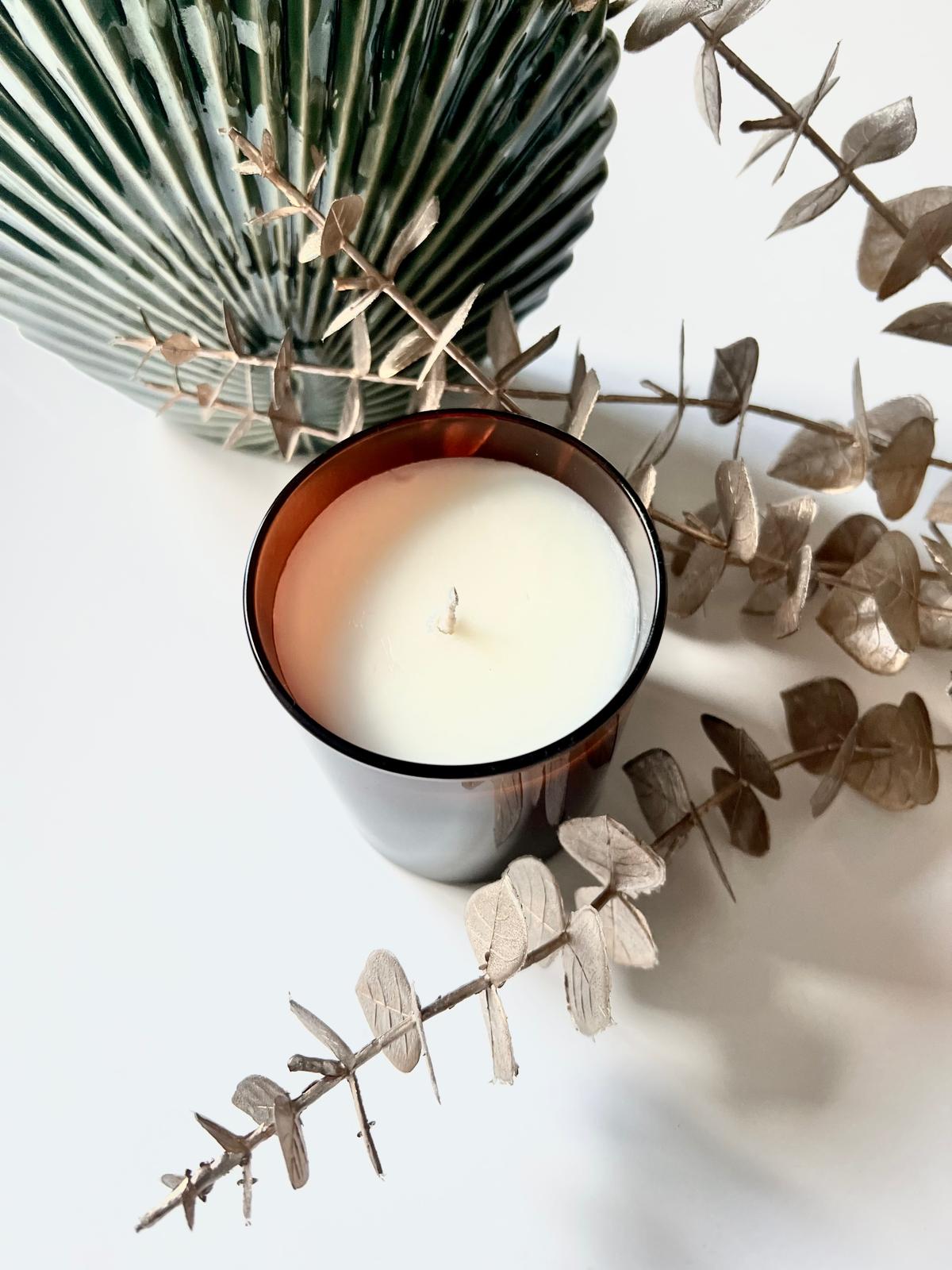
We love a beautifully styled shelf, but a photograph of a candle beside foliage is not a guide to where it should be lit. Move decorative objects away before using it. A pretty tray also needs to be suitable for heat and melted wax before it can serve as a candle holder.
Give sculptural candles room to melt
A decorative candle such as our Blindfolded Lady Candle can be enjoyed as an object in its own right. If you choose to light it, follow its specific instructions and use a suitable holder with enough room to catch escaping wax.
Expect the appearance to change as it burns. If you would rather keep the shape intact, it is perfectly lovely to keep it as a decorative piece and enjoy fragrance separately through wax melts in a suitable warmer.
Know when to put it out
Never leave a candle burning unattended. Extinguish it when you leave the room, before you go to sleep and when it reaches the use limit on its label. If the flame becomes unusually large or persistently smoky, extinguish it and let everything cool before checking the care instructions.
A suitable snuffer can help put out the flame gently. Do not use water. Check that the wick is fully extinguished, then leave the candle and any melted wax to cool before touching or moving them. Follow the labelled stopping point near the end of a candle’s life rather than burning it down to the base.
Look after it between evenings
Store your candle away from heat and direct sunlight, and keep dust and debris off the wax. If it has a lid, replace it only once the candle has cooled, unless the maker has specifically provided different instructions.
For the wider fire-safety essentials, read London Fire Brigade’s candle guidance. Then, when you have found a favourite and a little time to enjoy it, make an evening of it. Our winter evening ideas and Serenity collection are there for a little inspiration.